It arrives not as a jolt, but as a slow, inexorable descent, the opening strings of "Born to Die" unfurling like a heavy, gilded curtain over a stage set for inevitable tragedy. This isn't just a song; it's a meticulously constructed philosophical statement, a potent elixir of doomed romance and cinematic melancholy that lingers long after the chorus fades, embedding itself in the listener's marrow with the weight of a preordained fate.
The curated soundscapes of Voxo often invite a deeper contemplation, a deliberate engagement with art that prioritizes aesthetic construction over fleeting trend. Within this ethos, Lana Del Rey emerged not merely as a singer, but as a meticulously crafted persona, a sophisticated synthesis of vintage Americana, noirish cinematic melancholia, and an almost academic dissection of romantic fatalism. Her debut era, anchored by the seminal album *Born To Die*, didn't just carve out a niche; it established a unique gravitational pull within contemporary pop music, defining a genre that operates at the nexus of Baroque Pop grandeur and poignant "sadcore" introspection. It was a defiant rejection of saccharine optimism, offering instead a lush, mournful embrace of the inevitable, forever altering the landscape of pop narrative.
The titular track, "_Born To Die_," functions as the profound sonic thesis for Lana Del Rey's initial artistic statement, a precise exploration of destructive love rendered with an almost operatic weight. Produced primarily by Emile Haynie, the composition doesn't merely play; it unfolds with a measured grandiosity, its sweeping string arrangements and subtle, yet insistent, percussion constructing an auditory landscape that evokes both classic Hollywood melodrama and a somber, dreamlike state. The track’s opening breathes in slowly, a minor-key string motif taking hold, not with an immediate declaration, but a delicate, almost hesitant invitation into its tragic world. This subtle beginning, pregnant with unspoken sorrow, creates an immediate emotional hook, drawing the listener closer to decipher the whispered prophecy.
The vocal delivery is a masterclass in understated emotional power, characterized by its languid enunciation and a precise, almost fragile vibrato. It conveys not a raw, unbridled emotional outpouring, but a sense of detached observation, a knowing resignation to the narrative's grim trajectory. Her voice sounds close enough to bruise, a whispered confidence that pulls the listener into the intimate, yet strangely distant, fatalism she inhabits. This distance is a key mechanism: it doesn't distance the listener from the emotion, but rather positions them to contemplate the fatalistic narrative—a devotion valued above longevity—rather than simply being swept away by it. It’s the voice of someone who has seen the end and found a strange beauty in its certainty, inviting us to share in that bittersweet revelation. The slight drawl, the breathy vulnerability, the almost conversational tone in the verses against the dramatic swell of the chorus, creates a dynamic tension; it feels simultaneously grand and intensely personal, as if she is recounting a grand epic from the intimacy of a bedside.
The song's structure builds through careful, deliberate layering, transitioning from hushed verses to expansive choruses where the lyrical commitment to a shared, tragic destiny is underscored by ascending melodic lines and a deepening sonic texture. The arrangement opens like a slow-burning confession, each instrumental layer adding another shade to the emotional tableau. The initial, sparse piano chords and cello lines gradually give way to a full string section that swells with cinematic gravity, punctuated by delicate snare hits and a booming, almost ritualistic kick drum. This auditory progression is not a release, but an embrace of the inevitable, solidifying the track's core message of romanticized acceptance. The recurring motif of "reckless devotion" is expressed not through sonic chaos or unbridled aggression, but through a controlled escalation that suggests a profound, underlying conviction, an unshakeable belief in the narrative she’s spinning. The production gives the emotion its shadow, allowing the grandiosity to feel earned, rather than imposed, by the depth of the lyrical fatalism. The density of the arrangement, drawing deeply from Baroque Pop influences, wraps the melancholic core in a rich, almost regal sonic fabric, elevating the narrative from a personal lament to an epic, universal declaration of tragic purpose. The harpsichord-like flourishes, the soaring violins, and the booming orchestral hits build a sense of historical weight, making the contemporary heartbreak feel like a timeless, archetypal human experience.
Yoann Lemoine's direction for the "_Born To Die_" music video is a masterful extension of the song's philosophical framework, translating its core tenets into a visual lexicon of decay and dark grandeur. The video meticulously frames Lana Del Rey as a central, almost mythological figure, oscillating between a vulnerable ingenue and a dark queen. American symbolism, such as the prominent display of a tattered flag, is deployed not as patriotic reverence but as an evocation of a fading ideal, mirroring the lyrical themes of a distorted American Dream. This symbolism integrates seamlessly with the Californian landscapes—sun-drenched, yet tinged with a sense of impending dusk—creating a pervasive sense of beauty intertwined with decline. The visual narrative constructs meaning through deliberate iconography: Lana seated on a throne flanked by tigers, scenes within a grand cathedral, and her intertwined existence with a tattooed lover, both rough and tender. These elements do not merely illustrate the lyrics; they amplify the themes of power, vulnerability, and a quasi-religious devotion to a shared fate. The use of slow-motion and dramatic lighting in sequences of passionate embraces and implied conflict underscores the intensity and volatility of the relationship. The climactic car crash is not an arbitrary event but the visual manifestation of the "born to die" prophecy, a literal and symbolic fulfillment of the fatalistic love. This visual decision serves to solidify the philosophical statement, positioning the relationship’s end not as a failure, but as its preordained, cinematic culmination, reinforcing the song's bittersweet grandeur through a dark, rich color palette that evokes classic Hollywood melodrama and a timeless, vintage aesthetic. The visuals are a crucial layer, articulating the song's worldview where love and destruction are two sides of the same coin, destined to meet in a spectacular, beautiful crash.
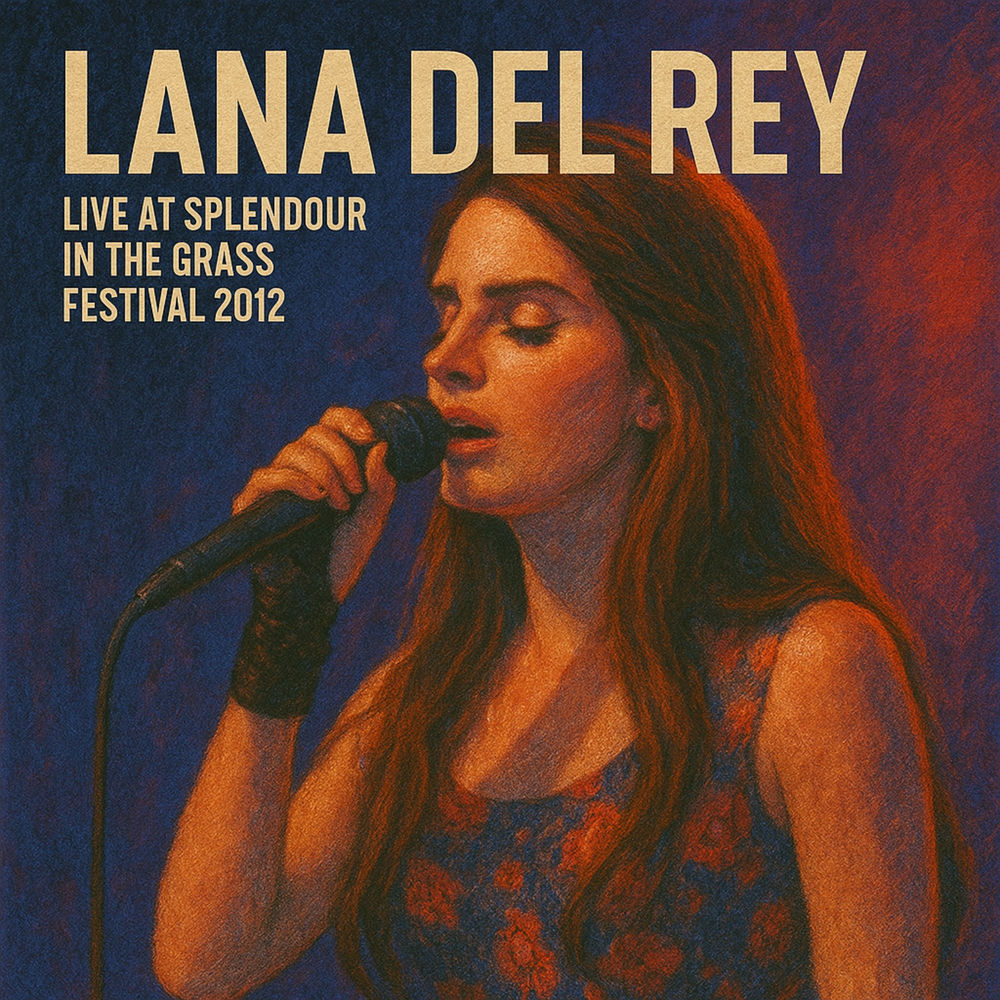
"_Born To Die_" fundamentally reshaped a segment of the popular music landscape upon its release, solidifying Lana Del Rey’s status as a significant architect of contemporary pop aesthetics. Her melancholic, cinematic style, underpinned by a fatalistic worldview and an intellectual engagement with Americana and its dark underside, established a new, defiant posture for the pop artist. This track, and the album it fronted, demonstrated that pop could be critically astute, embracing themes of tragic romance, societal disillusionment, and the allure of self-destruction without sacrificing commercial appeal. It invited listeners into a complex narrative, moving beyond simplistic emotional explanations towards an appreciation for constructed artistic personas and philosophical depth. The song’s power lies in its refusal to offer easy catharsis, instead presenting a world where sorrow is not to be overcome but inhabited, where destiny is not to be fought but embraced.
The sustained influence of "_Born To Die_" lies in its demonstration of how sound and image can converge to articulate a complete, defiant worldview, leaving an indelible mark on genre behavior and establishing a model for artists seeking to explore darker, more intricate narratives within the mainstream. It’s a track that doesn't just ask us to listen; it asks us to contemplate the delicate dance between love and oblivion, to find the sublime in sorrow, and to accept that some stories are always destined for a spectacular, tragic end. In a landscape often dominated by fleeting trends, "Born to Die" remains a stark, beautiful monument to romantic fatalism, its orchestral aches and whispered prophecies echoing through the years, a timeless exploration of humanity's beautiful, brutal flirtation with destiny. It doesn't just endure; it looms, a velvet shroud over the landscape of modern pop, reminding us that some songs are not just heard, but felt, deep in the melancholic heart of what it means to be alive—and, perhaps, to be born to die.
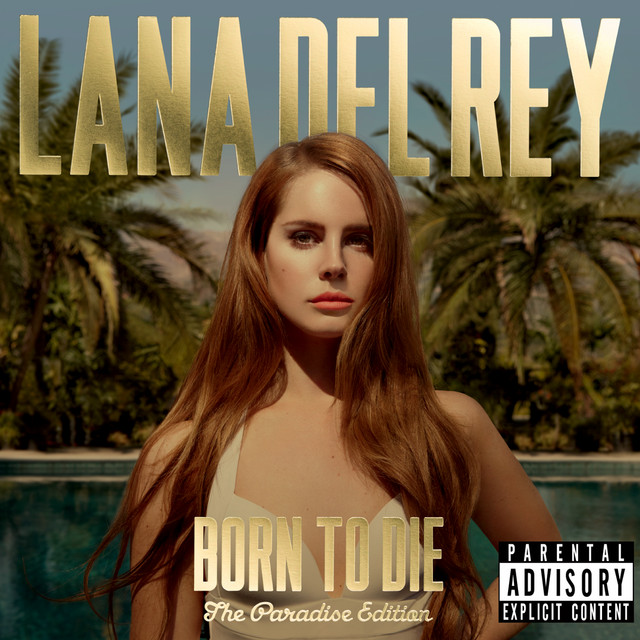
The Velvet Shroud of Destiny: Unpacking Lana Del Rey's Enduring Fatalism in 'Born to Die'
Lana Del Rey